
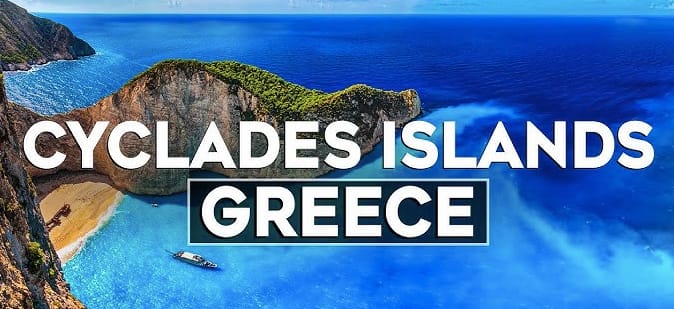
There’s a reason the Cyclades keep showing up on everyone’s “must-see” list: whitewashed villages tumbling down hillsides, blue-domed churches against an impossibly bright sky, and water so clear it barely looks real.
Scattered across the Aegean in a rough circle around the sacred island of Delos, the Cyclades are made up of roughly 220 islands — only about 24 of them inhabited. That’s a lot of choice, which is both the joy and the challenge of planning a trip here.
This guide covers how to get there, which islands are worth your time this summer, and what to actually do once you land.
Getting There
Almost every Cyclades trip starts in Athens. From there, you have two main options:
By plane. Santorini, Mykonos, and Paros all have airports with direct flights from Athens and, in high season, from several other European cities. This is the fastest way in if you’re short on time or heading straight to one of the big-name islands.
By ferry. This is the classic way to island-hop, and honestly, half the fun. Ferries leave from three ports near Athens — Piraeus (the biggest and easiest to reach from the airport or city center), Rafina, and Lavrio. In summer, the popular islands like Mykonos, Santorini, Paros, and Naxos get multiple sailings a day; smaller islands may only see a boat or two a week, so check schedules early if you’re headed somewhere remote.

A few practical notes:
- High-speed catamarans get you there fast but cost more and can cancel in rough seas.
- Conventional ferries (Blue Star is a reliable name) are slower but noticeably cheaper — a good trade-off if you’re not in a rush.
- Book ahead for July and August. Popular routes sell out.
- Renting a car on your island is genuinely worth it. The Cyclades are windy, and scooters or quads can be more hassle (and risk) than they’re worth on narrow mountain roads.
Where to Go
You can’t do it all in one trip, so it helps to think in terms of vibe rather than just checking islands off a list.
The icons: Santorini and Mykonos
If it’s your first time in Greece, there’s no shame in starting here. Santorini delivers the caldera views and cliffside sunsets you’ve seen in every photo; Mykonos brings the beach clubs and nightlife. Just know what you’re signing up for — both are crowded and expensive in peak season, and Santorini in particular gets overwhelmed with day-trippers by midday. Go for sunrise walks and early dinners to dodge the worst of it.
The all-rounder: Naxos
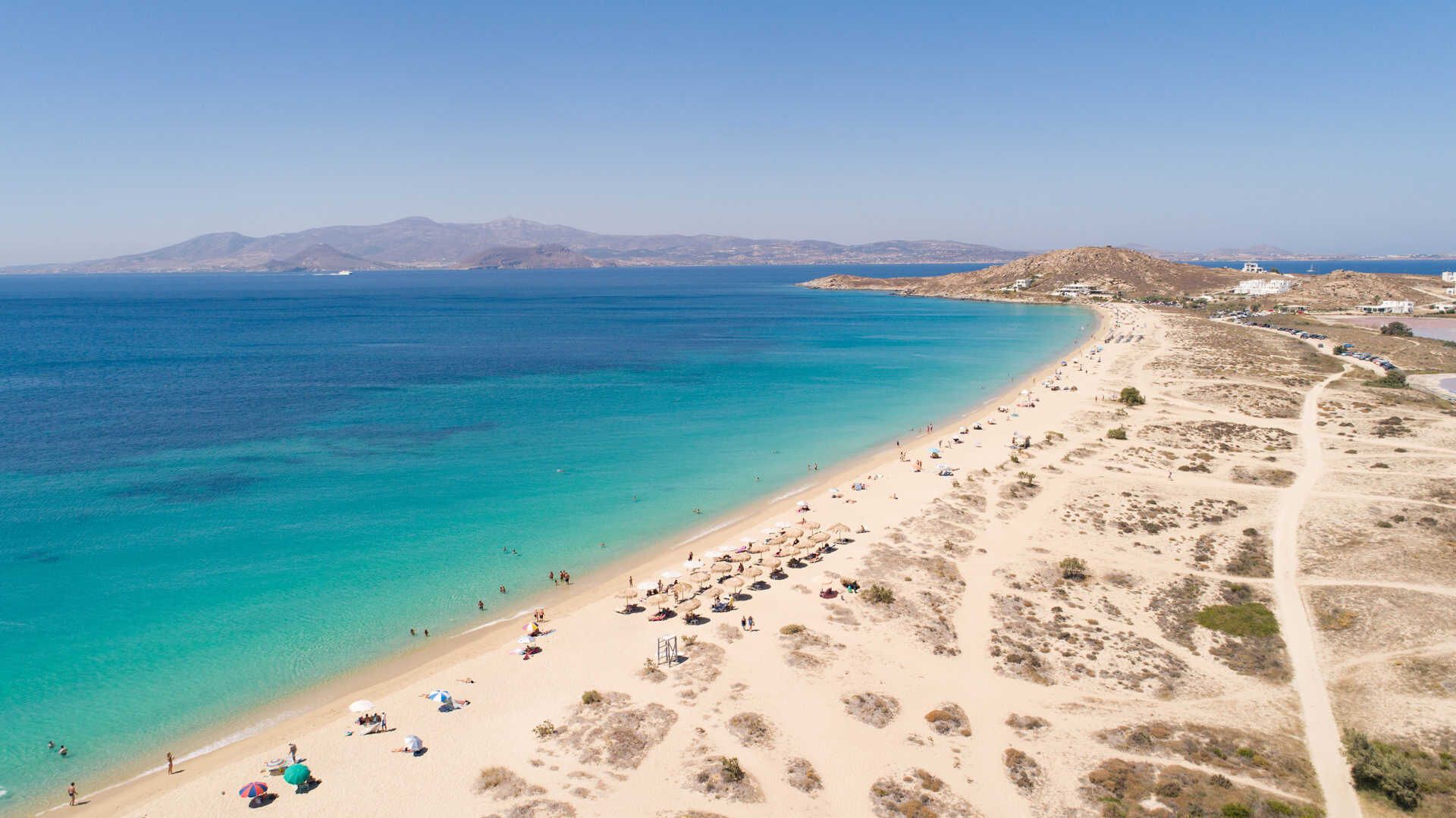
The largest island in the Cyclades, and arguably the most underrated. Naxos has long, golden beaches (Agios Georgios, Agios Prokopios, Plaka), a lovely old town, mountain villages worth hiking to, marble quarries, and genuinely great food — it’s known for its cheese as much as its coastline. It’s a smart base if you want beaches, culture, and easy onward ferry connections all in one place.
The crowd-pleaser with an edge: Paros
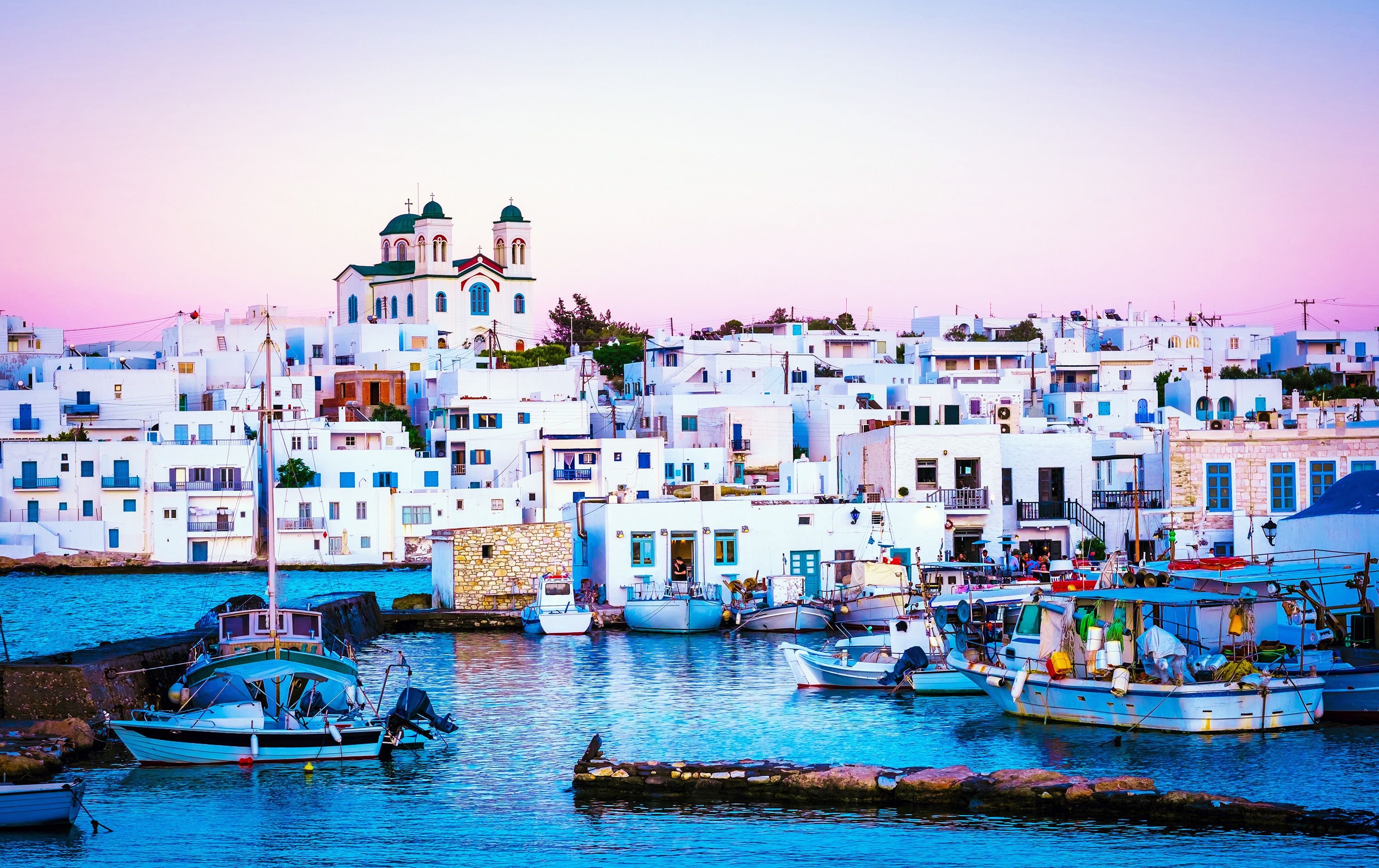
Paros sits right in the geographic and practical heart of the Cyclades, with excellent ferry connections to everywhere else. Parikia and Naoussa are classic Cycladic towns (Naoussa gets lively at night), and Kolymbithres Beach — with its wind-sculpted rock formations — is one of the best in the islands. Paros also makes a perfect jumping-off point for a day trip to tiny, laid-back Antiparos, a 10-minute ferry away.
The quieter alternatives
If you’ve done Santorini and Mykonos before, or just want something calmer, these are worth building a trip around:
- Sifnos — refined, food-obsessed, with a beautiful capital, Apollonia, known for cobbled lanes and understated hospitality.
- Folegandros — dramatic, cliffside, and quiet, for travelers who want raw beauty without the performance.
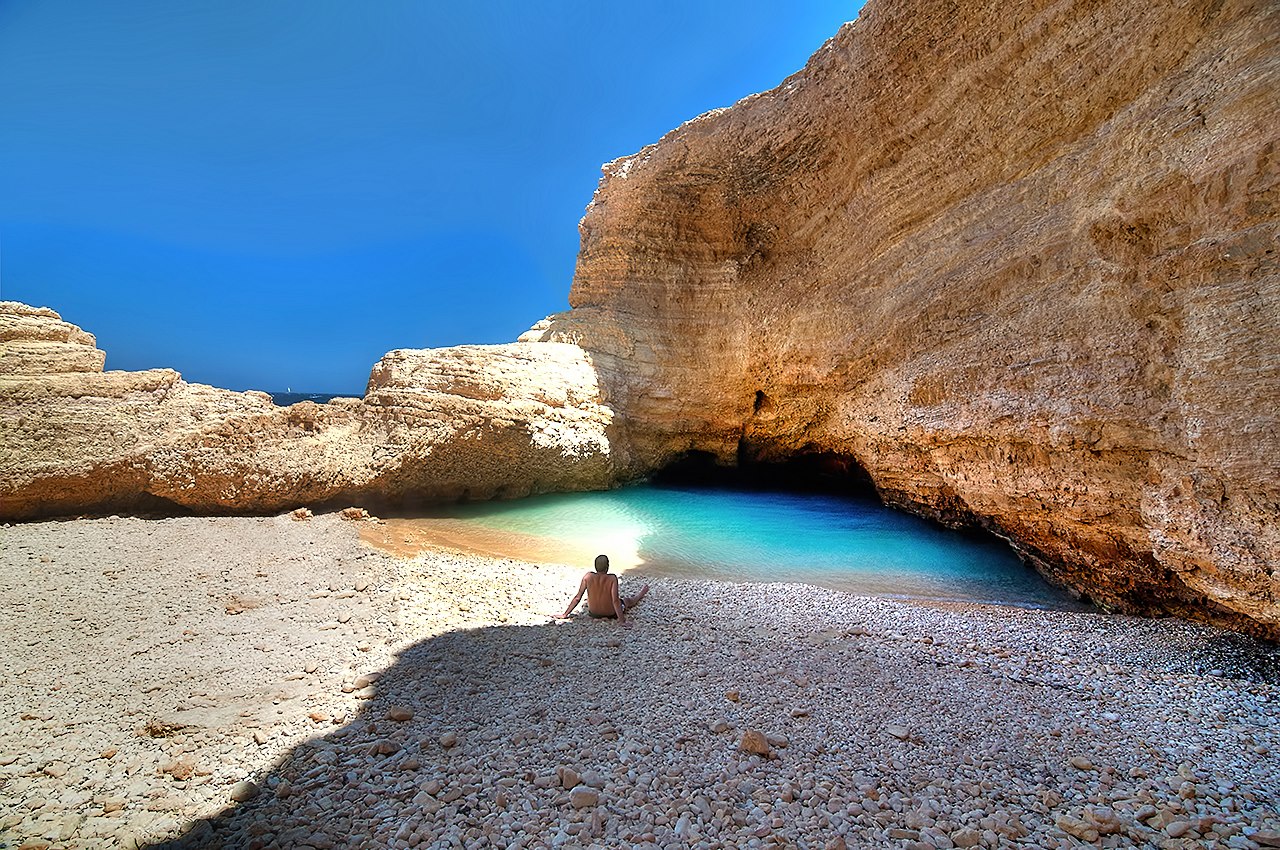
- Milos — famous for its otherworldly coastline of coves and volcanic rock formations.
- Koufonisia (part of the Small Cyclades) — some of the clearest water in the archipelago, ideal for swimming and boat trips to hidden coves.
- Andros — unexpectedly green and lush, with waterfalls, hiking trails, and a sophisticated main town full of neoclassical mansions.
- Syros — the Cyclades’ actual capital island, culturally rich and easy to reach, without the tourist crush.
For history lovers
Don’t skip Delos, the mythical birthplace of Apollo and Artemis and one of Greece’s most important archaeological sites. It’s a short boat ride from Mykonos, and a guided tour (roughly €50 including the boat and site entry) makes a big difference in bringing the ruins to life.
How Much Time You Need
Most people don’t have unlimited time, so here’s the honest version: 7–10 days is a solid amount for a first trip, enough to comfortably see 3–5 islands without spending your whole vacation on ferries. If you’re working with a week, pick 2 islands you can base yourself in for 3–4 nights each, and add a day trip to a smaller neighboring island from one of them.

Sample first-timer route (10 days): Athens (2 days) → Paros (3 days, with a day trip to Antiparos) → Naxos (3 days) → Santorini (2 days) for the finale.
When to Go This Summer
July and August are peak season: hot (often 30°C+), crowded, and the most expensive time to visit — especially around August 15th, when much of mainland Greece heads to the islands for the Assumption holiday. If your dates are flexible, late June or early-to-mid September give you nearly the same weather with noticeably thinner crowds and lower prices. Water temperatures stay warm well into September, so you’re not sacrificing much by shifting your trip a few weeks off peak.
A Few Money-Saving Tips
- Choose conventional ferries over catamarans when you’re not in a hurry.
- Look into local rooms (“domatia”, rooms to let) instead of hotels — simple, clean, and much cheaper.
- Lesser-visited islands like Sikinos, Kimolos, or Anafi run close to mainland prices even in summer.
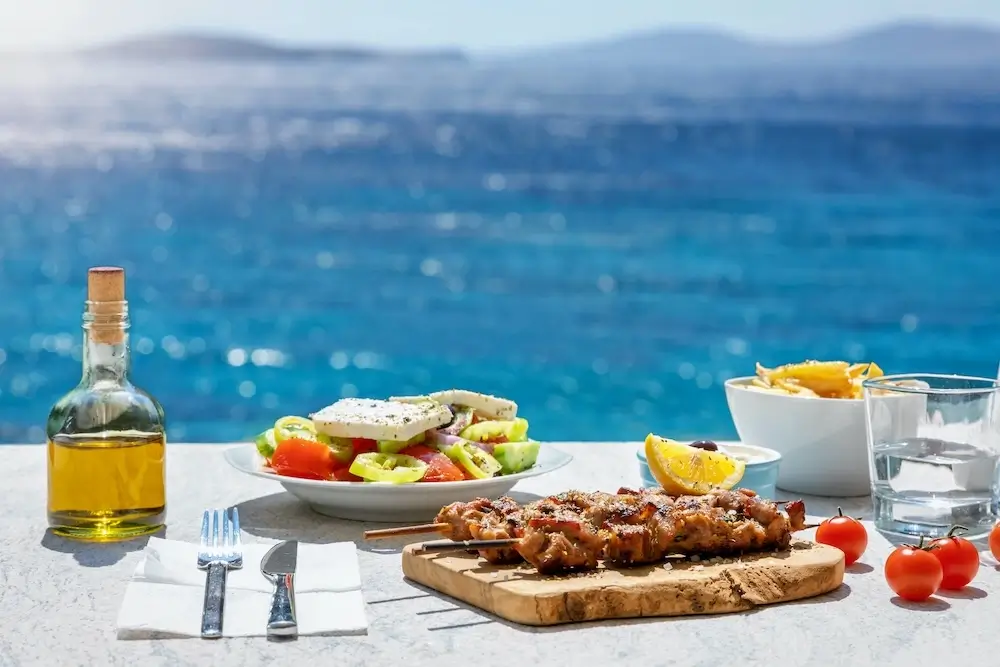
- Street food (souvlaki, gyros, spanakopita) is cheap, filling, and genuinely good — no need to save it for emergencies.
The Cyclades aren’t a place you “do” in one trip — most people who fall for them end up coming back for the islands they didn’t have time for the first time around. Pick a pace that lets you actually enjoy where you are, rather than rushing to see everything, and you’ll leave wanting to come back anyway.